
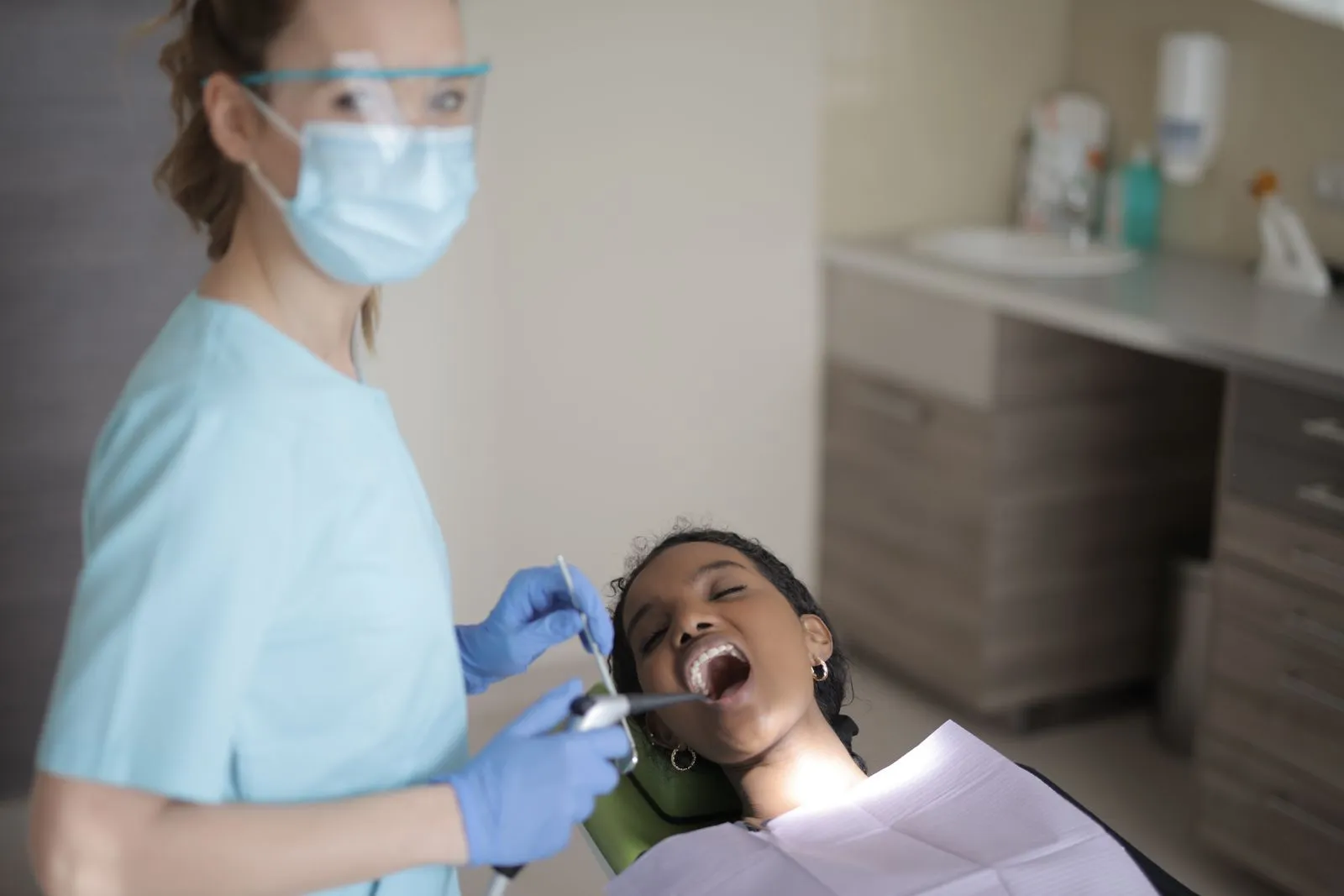
Baby teeth do more than help children chew and speak. They also hold places for permanent teeth as they develop. If a baby tooth is lost early because of decay, injury, or another dental problem, nearby teeth can shift into the open space. A space maintainer may help preserve room, but it is not needed in every case. A pediatric dentist checks the child’s teeth, growth, and expected eruption pattern before recommending treatment.
Why Early Tooth Loss Matters
When a baby tooth comes out before its permanent replacement is ready, neighboring teeth may drift or tip toward the gap. This can reduce the room available for the permanent tooth. If it later erupts without enough space, it may come in crowded or out of position. The amount of movement varies, so an early loss does not automatically mean a child needs an appliance.
The effect depends partly on which tooth was lost and how much time remains before the permanent tooth is expected to appear. Back baby teeth often play an important role in maintaining space for their successors. Losing a front tooth may have different effects on spacing and appearance. A dental exam helps clarify what the gap means for that child.
What a Dentist Evaluates
A pediatric dentist considers the child’s age, which tooth is missing, and whether the permanent tooth is developing normally. The dentist may examine the surrounding teeth and gums and use dental X-rays when needed to check the position and development of the successor tooth. The goal is to understand whether the gap is likely to stay open until that tooth is ready to come in.
The dentist also looks at the child’s bite, existing crowding, oral health, and ability to keep an appliance clean. A space maintainer needs follow-up visits and daily care. If a child has difficulty wearing or cleaning one, the dentist may discuss practical options and ways to reduce risks such as plaque buildup or irritation.
When Treatment May Help
A space maintainer may be recommended when a baby tooth is lost early and the dentist believes nearby teeth could close the gap before the permanent tooth erupts. The appliance holds the space; it does not make the permanent tooth grow faster or correct every alignment concern. Some children may not need one if the replacement tooth is close to erupting or the space is unlikely to close.
If treatment is recommended, the dentist explains the type of appliance, how it will be placed, and what to expect at checkups. Depending on the child’s needs, an appliance may be fixed in place or removable. Parents should ask how to clean it, which foods to avoid, and what to do if it feels loose, breaks, or causes soreness. Do not try to adjust a loose appliance at home.
Care After Placement
Help your child brush carefully around the appliance and keep up with regular dental visits. Sticky or hard foods can damage some types, so follow the dentist’s specific food guidance. Contact the dental office if the appliance shifts, causes persistent discomfort, or traps food that cannot be removed with normal cleaning. Prompt attention can prevent a small problem from interfering with treatment.
The dentist checks that the appliance remains secure and that the permanent tooth is progressing as expected. A space maintainer is usually removed when it is no longer needed to preserve the gap. Keep the follow-up appointments, even if your child has no symptoms, because the timing of removal depends on dental development.
Early loss of a baby tooth is a reason to schedule a dental evaluation, not a guarantee that treatment is necessary. A pediatric dentist can assess the gap, the developing permanent tooth, and the child’s overall dental needs. If you have questions about a missing baby tooth, contact Charlotte Space Maintainers to discuss an evaluation.